

Where to Go on a Trip in Slovenia – My Favorite Ideas

Even though Slovenians are big lovers of nature and enjoy spending their free time outdoors—walking, hiking, or cycling—many people still don’t know their beautiful country as well as they might think. This is especially true when it comes to lesser-known natural and cultural attractions that often remain overshadowed by the most famous tourist destinations. Because of that, a common question keeps appearing: where should you go on a trip in Slovenia?
Where to go on a Trip in Slovenia is a very common question, but after reading this article, I believe you won’t have to ask it for a while. Below I’m sharing some of my favorite destinations around Slovenia. Most of these places are suitable for all generations, and you can easily combine several ideas into a longer trip depending on your interests and available time.
I’m sure everyone will find something that inspires them—and perhaps this article will help you discover our beautiful country in a new way.
Where to Go for a Trip in Slovenia
| 1. Savinja Valley | 2. Pohorje | 3. Pekmurje |
| 4. Kočevje | 5. Velike Lašče, Krka and Žužemberk | 6. Cerknica and surroundings |
| 7. Vipava Valley and Trnovo Plateau | 8. Idrija | 9. Tolmin |
| 10. Kobarid | 11. Bovec | 12. Kranjska gora |
| 13. Bohinj | 14. Bled | 15. Tržič |
| 16. Jezersko | 17. Kamnik | 18. Ljubljana |
If you are looking for ideas for trips to slightly higher parts of Slovenia, then I suggest articles titled Mountain Trails, where I offer you 12 beautiful two-thousanders, The Most Beautiful Mountains in Slovenia, Where to Go in the Mountains, and One-day Trips to the Mountains.
[put_wpgm id=1]1. Savinja Valley
The Savinja Valley is geographically quite large, stretching from the highest peaks of the Kamnik–Savinja Alps all the way to Celje. It is divided into the Upper and Lower Savinja Valley.
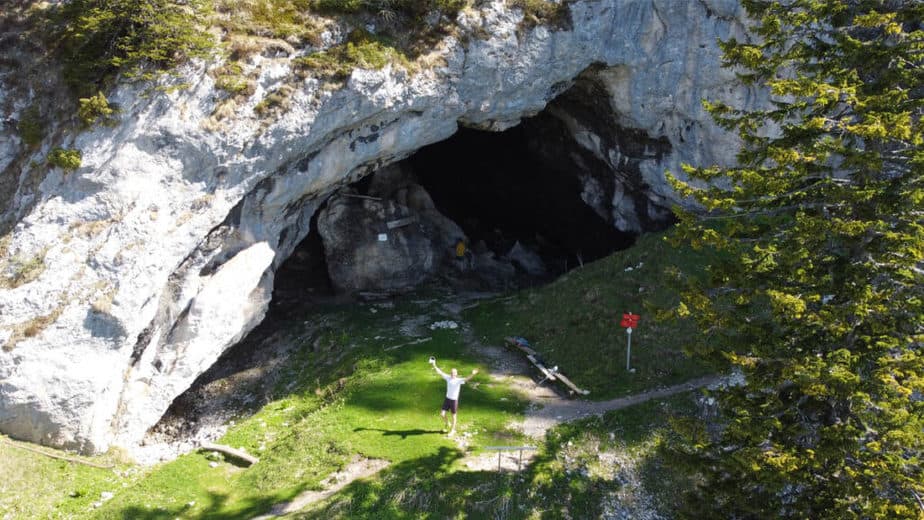
Today we will focus mainly on the Upper Savinja Valley, especially the area around Logar Valley and Golte.
The biggest jewel of the Upper Savinja Valley is undoubtedly Logar Valley, a stunning glacial valley surrounded by impressive peaks.
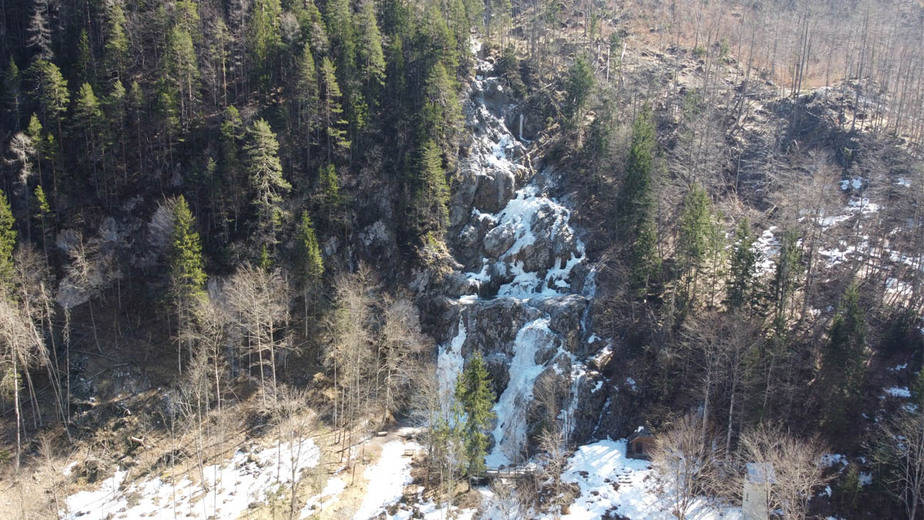
In my article about Logar Valley you will discover several beautiful sights you can visit along the road leading into the valley.
I also wrote about a winter hike to Okrešelj, where you pass one of the highest waterfalls in Slovenia — Rinka Waterfall — as well as the source of the Savinja River, the longest Slovenian river that both begins and ends within Slovenia.
If Okrešelj is not enough for you, you can also read about the hike through the Turski Žleb gully to the summit of Turska Gora.
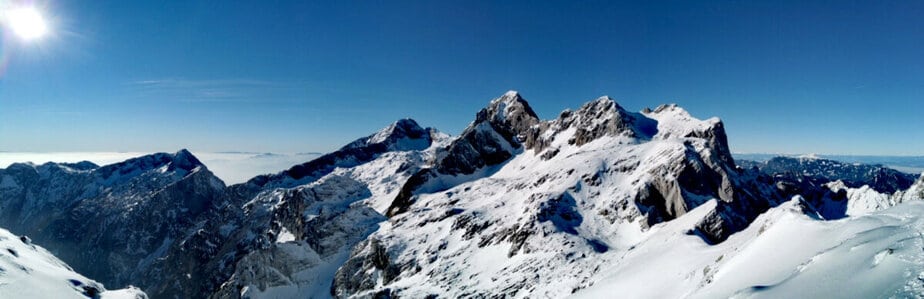
One of the most beautiful views of Logar Valley can be enjoyed from Olševa, a mountain geographically belonging to the Karavanke range but located close to the highest peaks of the Kamnik–Savinja Alps.
Olševa is also famous for Potočka Zijalka Cave, one of the most important archaeological sites in Slovenia, where remains of cave bears and prehistoric humans were discovered.
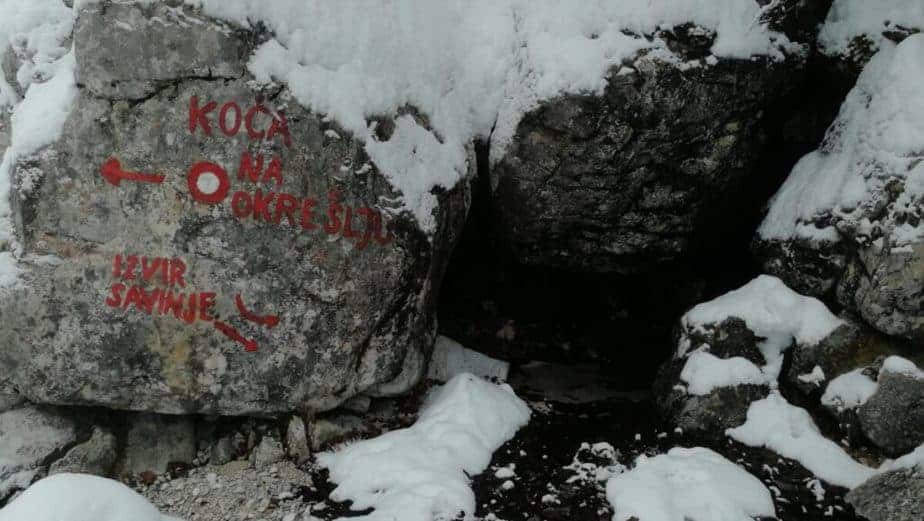
To finish this section, we will visit Golte, a plateau mountain that is lively throughout the year. It is also home to the longest gondola cable car in Slovenia.
You can read more about Golte in my article about weekend nature trips.
2. Pohorje
I don’t often go to Pohorje, but every time I do, I am impressed by this plateau, where the Slovenian Mountain Trail begins. Pohorje offers numerous opportunities for all kinds of outdoor activities. For most people, the most attractive tourist spots are probably Rogla and Mariborsko Pohorje, which, in addition to natural beauty, also offer the most diverse program of activities for both young and old.
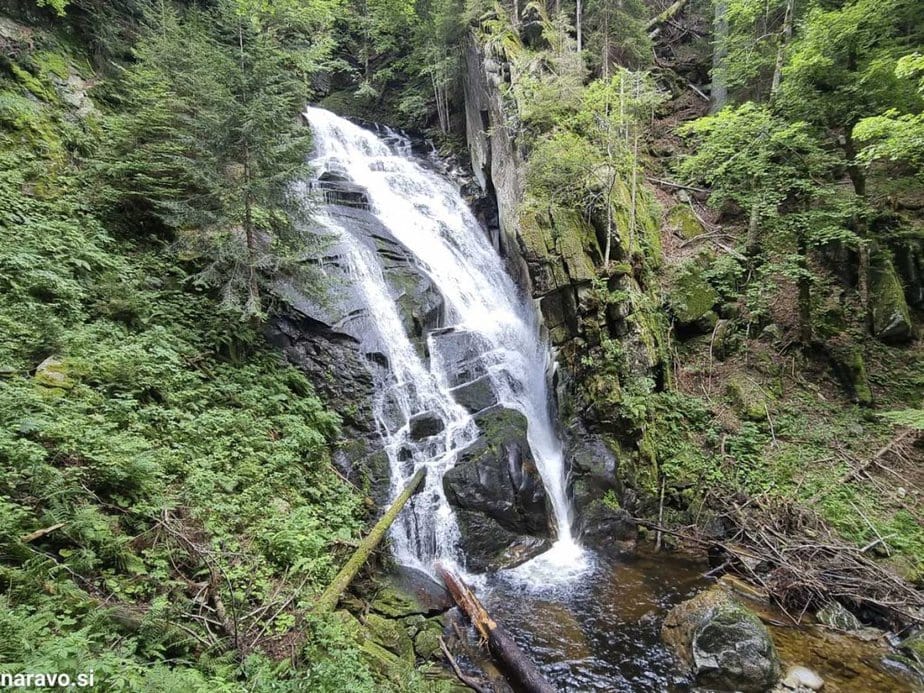
If I focus only on what Pohorje offers in terms of natural and cultural heritage, there is enough to see, do, and experience for a full week-long holiday. All the gorges, waterfalls, lakes, wetlands, archaeological sites, scenic peaks, mountain huts, ski resorts, monuments, partisan hospitals, and even a primeval forest—and I am certainly forgetting something—offer an exceptional opportunity to explore this true gem.
You can read about a family trip across Pohorje in one of the articles titled “Where to go on Pohorje?”

3. Prekmurje
The land across the Mura River may not be as generous in natural beauty as most of Slovenia, but in my experience, the most hospitable people live here, and one feels quite different among them than, for example, in Bohinj.
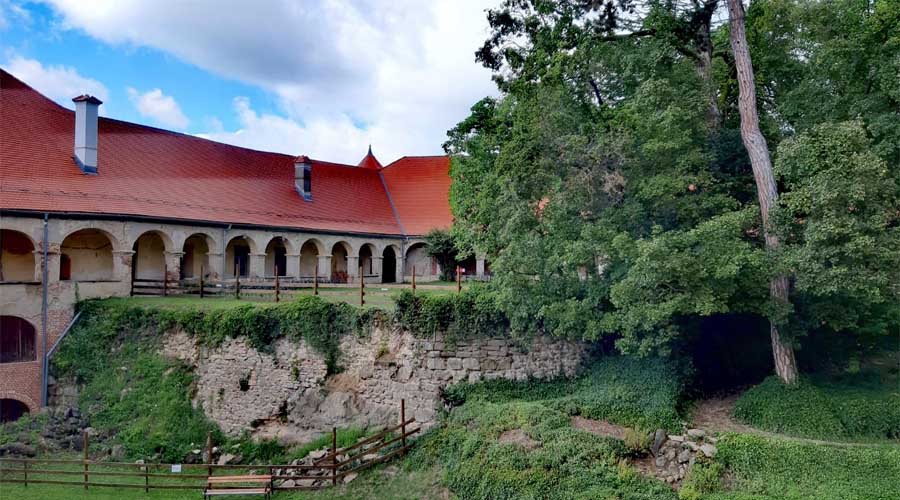
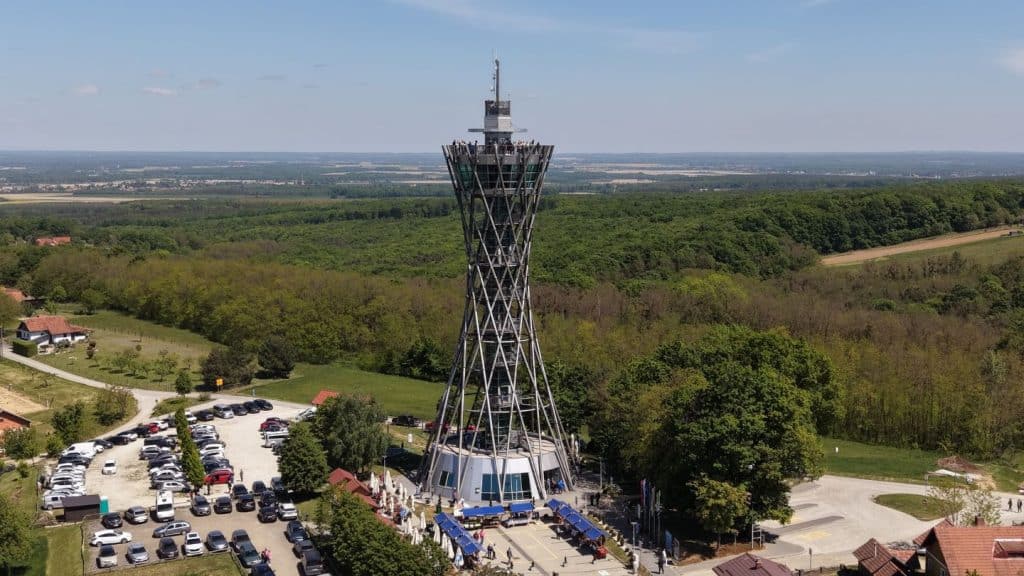
In Prekmurje, I have prepared two excursions for you. The first is oriented toward the flat part of this region of Slovenia, as we will explore the attractions from the Mura River all the way to the second-highest viewing tower in Slovenia, located in the hills above Lendava.
The second article introduces you to Goričko, a part of Prekmurje that is scattered with numerous rolling hills.
4. Kočevje
At first glance, Kočevje may not sound like the most attractive excursion destination in Slovenia, but once you get to know this part of the country a little better, you definitely no longer think so.

Kočevje offers visitors an exceptionally diverse range of opportunities for experiences, trips, and discovering both natural and cultural heritage. In the article where you get to know Kočevje and its surroundings, I take you through cultural and natural attractions that are truly unique.
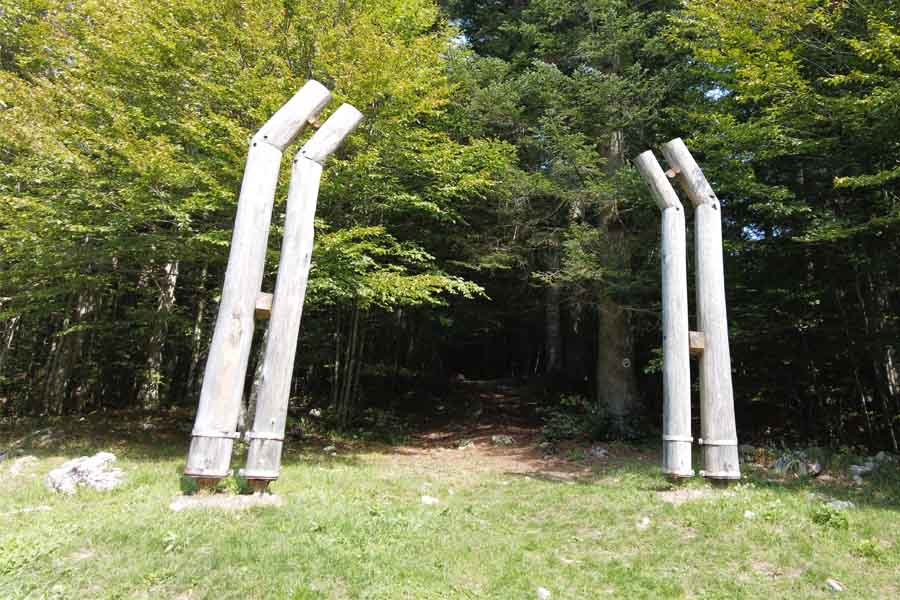
In the second article, we head into Kočevski Rog, a high karst plateau that even today evokes feelings of mystery, forbiddenness, and inaccessibility for many people. Kočevski Rog is also a world you will not be able to experience elsewhere in Slovenia—there are very few places that are so untouched, so pristine, and at the same time so inhospitable to humans as Kočevski Rog.
5. Velike Lašče, Krka and Žužemberk
I set out to explore Velike Lašče, especially the waterfalls in its municipality, because at the time I was writing an article titled “Waterfalls around Ljubljana.” During that trip, I also stopped at the home of Primož Trubar, and of course I visited Turjak Castle as well.
Given that Trubar was quite closely connected with the Auersperg counts, whose main castle was in Žužemberk, which is not far away, and considering that the water from the Kobilji Curek waterfall flows past Trubar’s homestead and then, through underground passages, joins the Krka River…
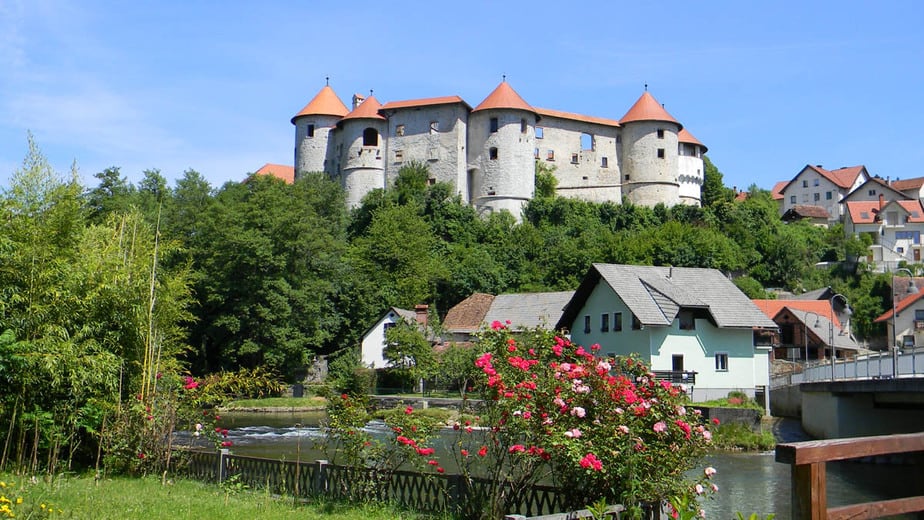
I decided that, as part of a broader idea for exploring Lower Carniola, I would add the source of the Krka River and Žužemberk with its rich history to Velike Lašče. And so an article was created, offering excellent ideas for a family day trip.
6. Cerknica and Surroundings
Then I didn’t visit Cerknica for a long time, until my twenties and thirties, when I regularly passed through it while cycling. Cycling is truly a great form of recreation, and while doing it, you inevitably get to know the natural beauty of the places you ride through—and it was the same with Cerknica and its surroundings.

The main attraction of Cerknica is, of course, one of the largest intermittent lakes in Europe, Lake Cerknica. When it is full, its surface area is about eight times larger than Lake Bohinj, Slovenia’s largest permanent natural lake. In the article about this extraordinary intermittent lake, you can learn much more about what to see and where to go.
In this part of Slovenia, one can enjoy numerous natural and cultural attractions. In the excursion guide where you explore the Bloke Plateau and the Lož Valley, you can admire some truly exceptional natural sights, complemented by a visit to one of the most beautiful castles in Slovenia.

You have probably also heard of the Rak Škocjan Valley—if not elsewhere, then at least you have seen the signs on the Primorska motorway near the Unec exit inviting you to visit Rak Škocjan, a very special karst valley only a few kilometres long, full of natural beauty, especially karst phenomena. In the article about the attractions along the Rak stream, I present the main sights of the valley and try to inspire you to visit it.
The penultimate stop in exploring this part of Inner Carniola is the Unična Koliševka, one of the largest sinkholes in Slovenia, which is better known for the fact that during the period between the two world wars the Italians built a bunker there with around 10 kilometres of underground tunnels. More about this attraction can be found at the link.

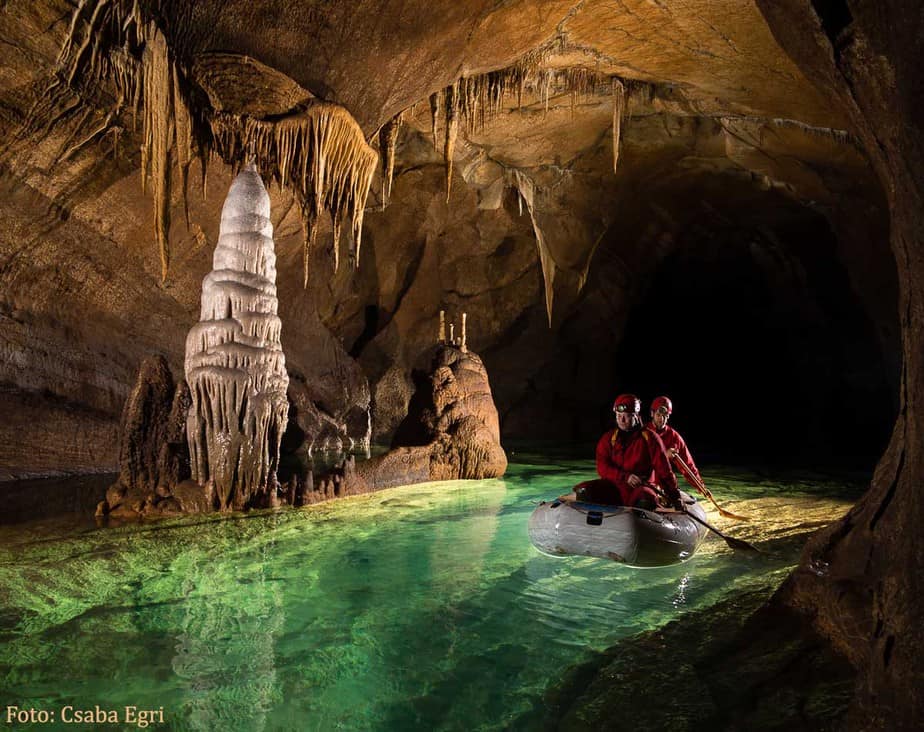
Finally, in exploring the Cerknica region, I would also like to invite you to Planina Polje, which is closely connected to Cerknica, especially through the lake and the water that flows out of it. The same water that drains from Lake Cerknica mostly flows via the Rak stream into Planina Cave, where the Rak joins the Pivka River (flowing from Postojna Cave), and from Planina Cave the Unica River emerges. In Planina Polje, you can also find several very interesting spots, more of which you can discover in the article.
7. Vipava Valley and the Trnovo Plateau
From the Inner Carniola fields and forests, we move on to another mysterious and largely little-known plateau, where the Golaki reign. The Trnovo Plateau is a high karst plateau which, despite above-average annual precipitation, has no surface water. The reason for this is that its underground is interwoven with numerous shafts and caves, many of which are ice caves—caves with permanent ice. All surface water that appears on the plateau drains into these caves and shafts.
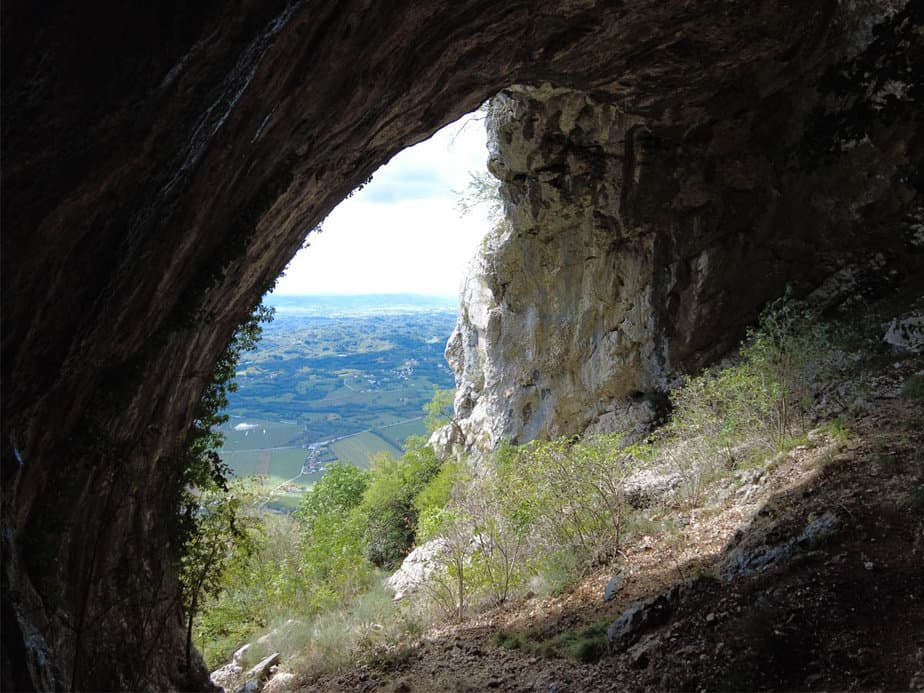
Numerous springs also feed the rivers of the Vipava Valley, the best known being the Hubelj Spring, while some water likely also flows into the Vipava River, which is the largest watercourse in this valley. In the article where we explore the Vipava Valley, I also included several exceptional natural and cultural attractions of this beautiful region.
The Trnovo Plateau is one of the least densely populated areas in Slovenia, and it also has one of the highest average population ages in the country. The plateau is characterised by clustered settlements and isolated farmsteads. Fortunately, alongside agriculture and forestry, tourism is also emerging as an activity that brings income to local residents. There is therefore hope that the Trnovo Plateau will attract more young people back, who otherwise “escape” to urban areas of Slovenia.
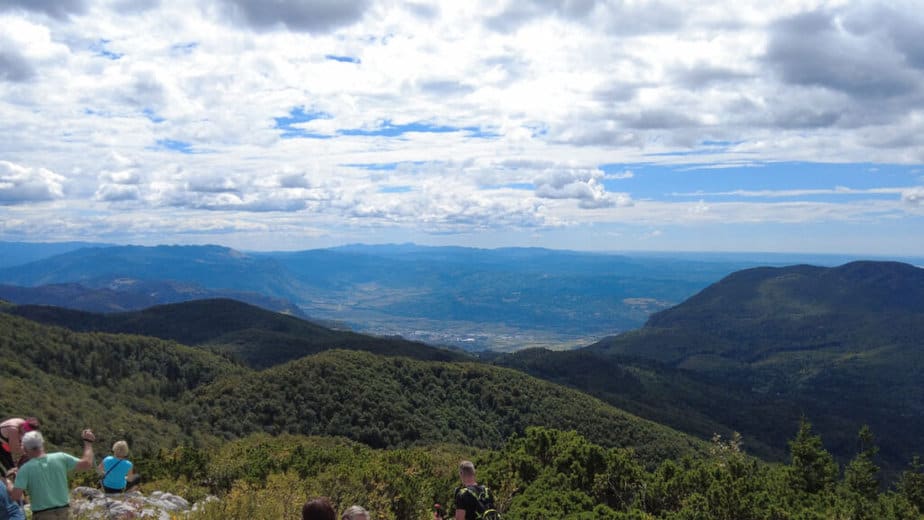
The Trnovo Plateau is mostly covered by forest, and on its surface we can find numerous typical karst features—from many caves and shafts, some of which remain frozen in permanent ice throughout the year, to smaller formations such as karren and solution grooves. There are also several frost hollows (Smrekova Draga being one of them), where a vegetation inversion can be observed: plants that usually dominate at higher elevations grow at the bottom of the depression.
Ingenious locals once cut ice from the famous Velika Ledenica (Great Ice Cave) on the plateau, transported it by carts to Trieste, and then exported it by ship all the way to Egypt—truly incredible!
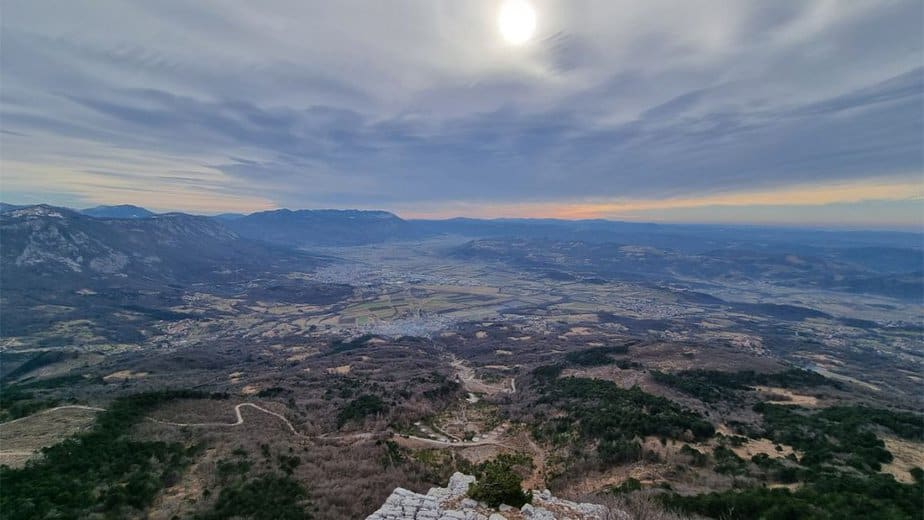
The plateau rises mostly between 800 and 1200 meters above sea level, with its highest peak being Mali Golak, which is only 5 meters short of 1500 m. Mali Golak is a very popular excursion destination, suitable for any walker or hiker. There are also several other popular peaks on the plateau, slightly above 1000 meters, all offering beautiful views, but more on that in another blog.
Mali Golak, through which the Slovenian Mountain Trail also passes, has already been described in my blog post titled “Where to go hiking for the weekend,” and if you haven’t yet visited this area, I invite you to read it and of course to explore this remote gem of Slovenia.

8. Idrija
Recently I explored Idrija with the intention of getting to know it better. I asked a friend from Idrija to show me around her hometown and to introduce me to the most interesting sights of this mining town.
I had actually been to Idrija quite a few times before, since I played basketball in my younger years and we often had away games there. I also visited Idrijska Bela a few times, and I thought I already knew Idrija quite well and that it couldn’t really surprise me—but I could not have been more wrong.
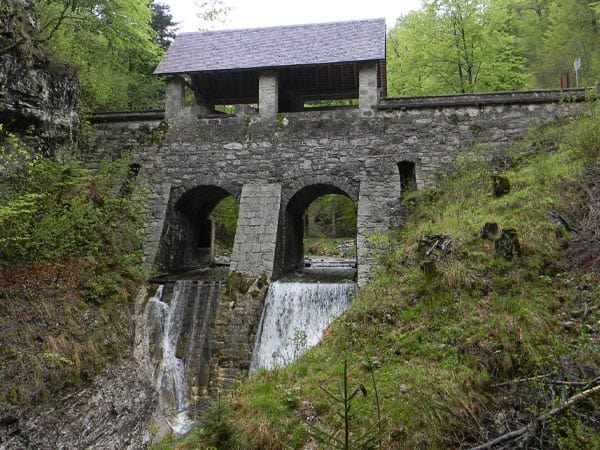
Idrija is one of those towns where there are so many interesting things packed into such a small area that it is impossible to fit them all into a one-day trip. In the article titled “Where to go in Idrija – a family excursion,” I have selected only a few of the exceptionally interesting natural and cultural sights offered by Idrija and its immediate surroundings (Divje Jezero, Idrija Rake, the Klavže water barriers, Ovčjak Waterfall, and Idrijska Bela).
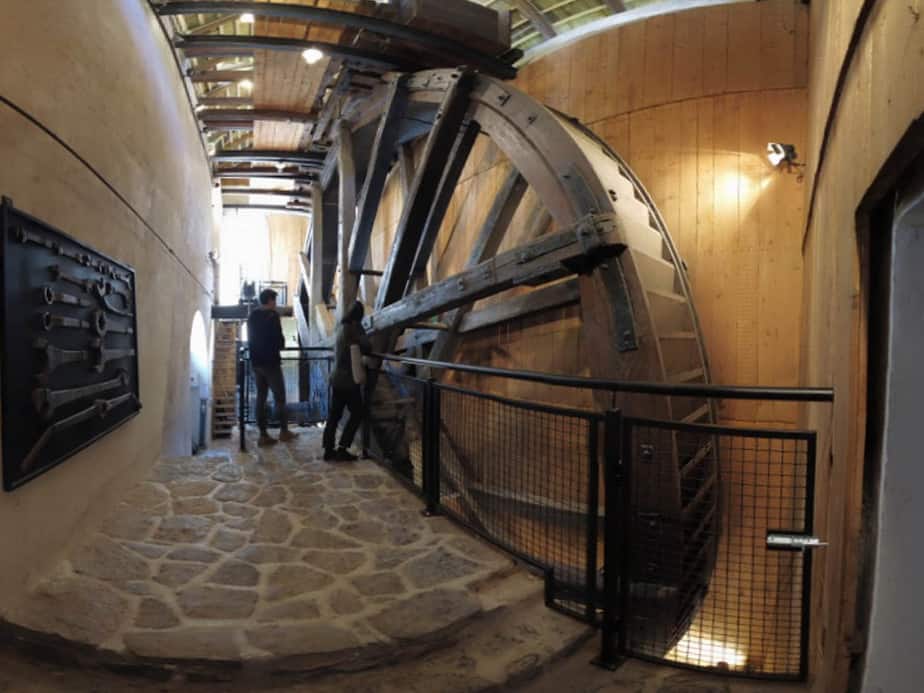
Other attractions located in the town of Idrija and its surroundings can be found in the article titled “Sights of Idrija.” There I present the second-largest mercury mine in the world, the mercury smelting plant, the Idrija Municipal Museum, the Kamšt water wheel, the Frančišek Shaft, the Partisan Printing House Slovenia, and a viewpoint from which you can see the Idrija Fault.
In the article “Idrija Feldbahn,” I take you along the route of the narrow-gauge railway that was built during the First World War in just 30 days, connecting Logatec to Idrija.

In one of the paragraphs, I already invited you to the Vojskarska Plateau, where there is a viewpoint and the Partisan printing house. Vojsko is also the highest village in Primorska and the cradle of the resistance movement during the Second World War. On a trip to the Vojskarska Plateau and the descent towards the Trebuša Valley, you will experience pristine, untouched nature, inaccessible gorges full of pools, waterfalls, and more. Truly one of my most unexpectedly beautiful excursions ever! More about Trebuša and its beauty can be found here.

9. Tolmin
At the end of the previous section I already invited you to visit the Trebuša Valley, which technically brought us from Idrija to Tolmin. However, since Trebuša is somewhat distant from the other trips around Tolmin, it makes more sense to include it in the Idrija section.

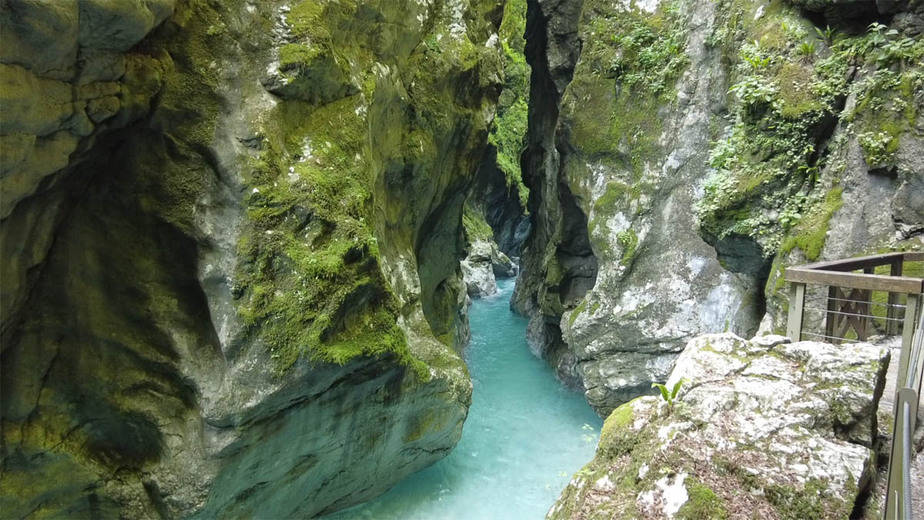
Tolmin is a town with exceptional natural and cultural heritage, yet among Slovenians it remains a relatively under-the-radar tourist destination.
Most people know the Tolmin Gorges and the beautiful World War I memorial church of Javorca, but after that many people run out of ideas for trips in the area. However, Tolmin has much more to offer.
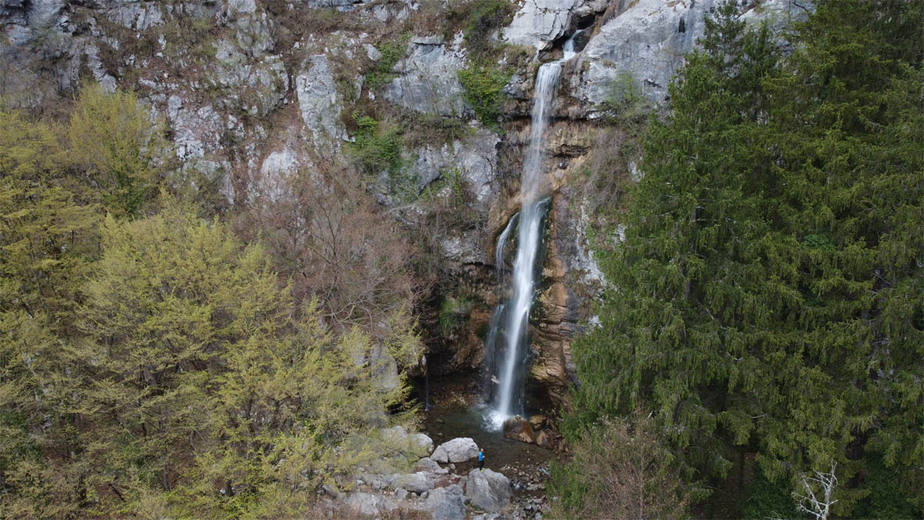
The main attractions close to the town are presented in my article The Sights of Tolmin. There are so many ideas there that it would be difficult to visit them all in three days.
If you want more ideas slightly outside Tolmin, I recommend exploring Baška Grapa. If you prefer something higher in the mountains, there are plenty of hiking options.
One popular starting point is Planina Kuk, from where you can hike to Zeleni vrh and other peaks along the ridge. Another great option is Rodica, which can be climbed from Rutarski gozd.
10. Kobarid
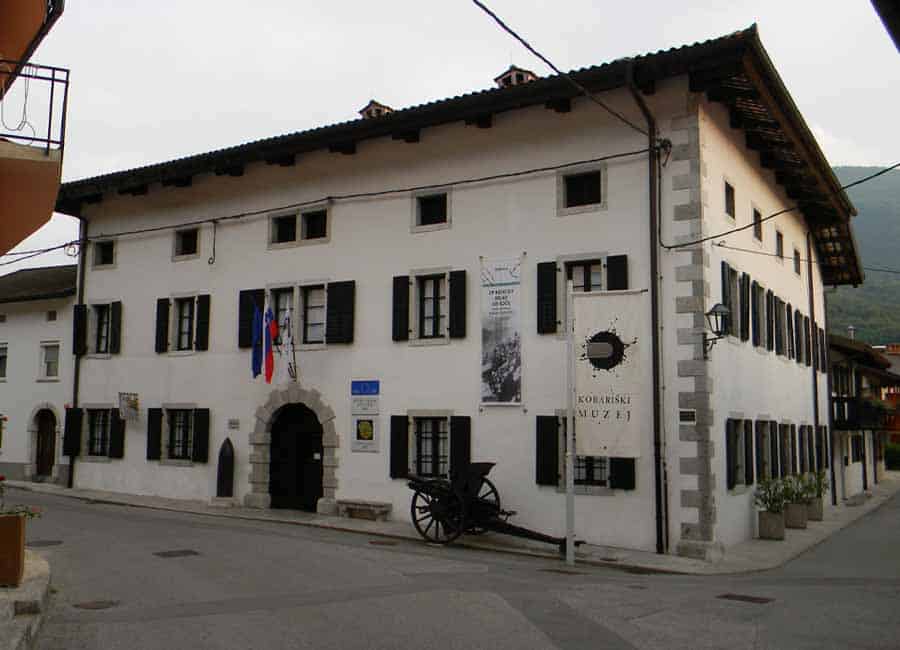
Similar to Tolmin also offers us countless opportunities for pleasant leisure time in pristine nature. I fell in love with Kobarid the first time I saw the Gregorčič Waterfall. Despite having already seen more than 200 waterfalls across Slovenia, the Gregorčič Waterfall is still the most remarkable to me.

The article about the sights of Kobarid is also one of the most read posts on my blog, which confirms that Kobarid is becoming an increasingly popular tourist destination among Slovenians as well. In the article you will find ideas that are enough for almost a full week of vacation.
Of course, when talking about a holiday in Kobarid, we must not forget Mount Krn, the highest peak in the area of Tolmin and Kobarid, which hides three beautiful lakes in its hinterland. Among them is, of course, the best known—the largest high-mountain lake in Slovenia, Lake Krn.
Another beautiful peak, which was also part of the most famous battles of the Soča Front, lies above Kobarid. Matajur, which is “only” a little over 1,600 meters high, is an excellent hiking destination in all seasons. It also offers stunning views all the way to the Gulf of Trieste.
11. Bovec
Although Slovenia as a whole is a treasure trove and almost everywhere you can find natural and cultural beauties to admire, there still has to be one place or region that stands out as the most beautiful. In my opinion, that is the Bovec area. It is hard to find another place with so many different natural wonders, so much cultural heritage, and such nearly unlimited opportunities for spending time in nature.
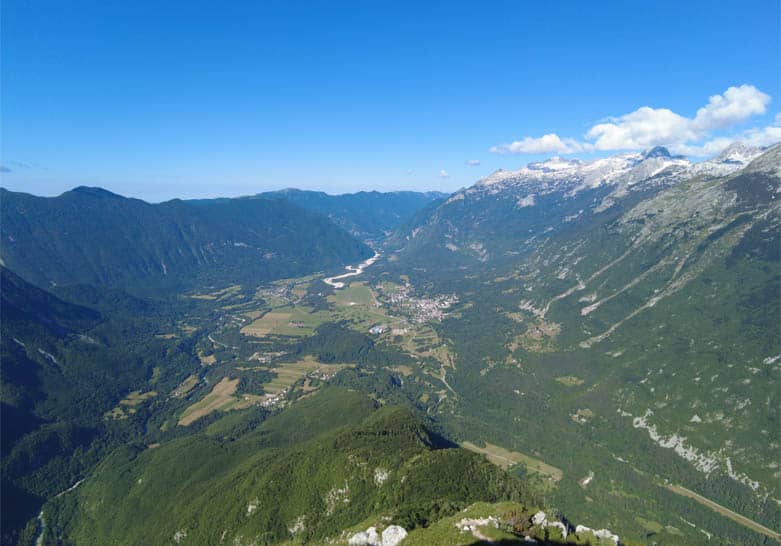
Whenever I think of Bovec, I feel like I could go there every weekend and always discover something new—there would still be plenty left unseen. No wonder the Italians once had such a strong desire to occupy these regions.
As mentioned, Bovec offers a very diverse range of outdoor activities. If you have not yet explored this area, let me briefly mention just a few things.
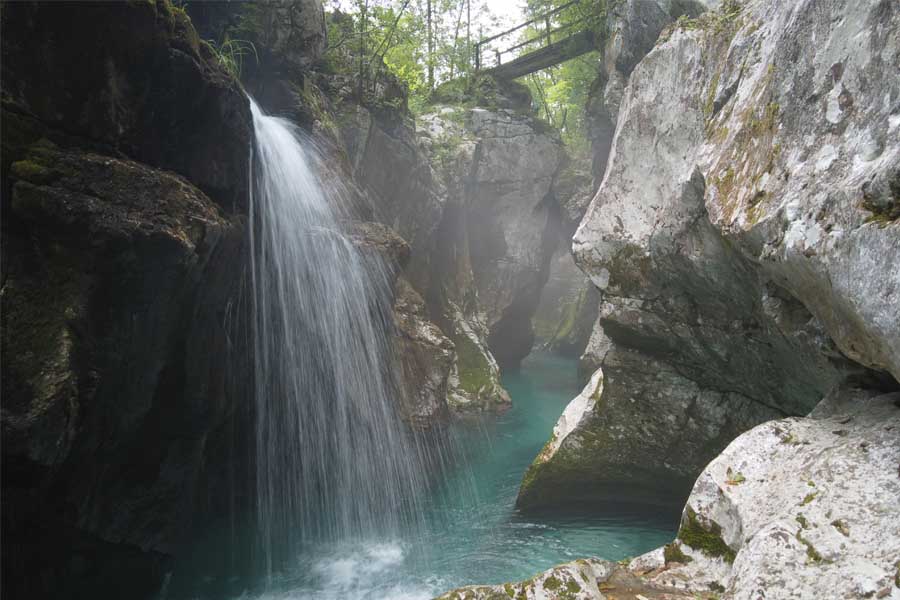
Bovec is a paradise for cavers, as the Kanin mountain range contains some of the deepest pits in the world. The same applies to hiking and mountaineering—Bovec and its wider surroundings offer endless possibilities for both short and long tours (one of the most beautiful viewpoints is on Mount Jerebica). If you are a cycling enthusiast, Bovec offers some of the most scenic roads in Slovenia and beyond.
The Bovec area was one of the most deadly battlefields of World War I, and the remains of this tragedy are still visible today. Given the strategic location of the Soča Valley and its tributaries, military conflicts took place here long before the 20th century. Visiting these historical sites is just as impressive as everything else Bovec has to offer. Some of the most important related sites can also be discovered on the hike to Mount Rombon.
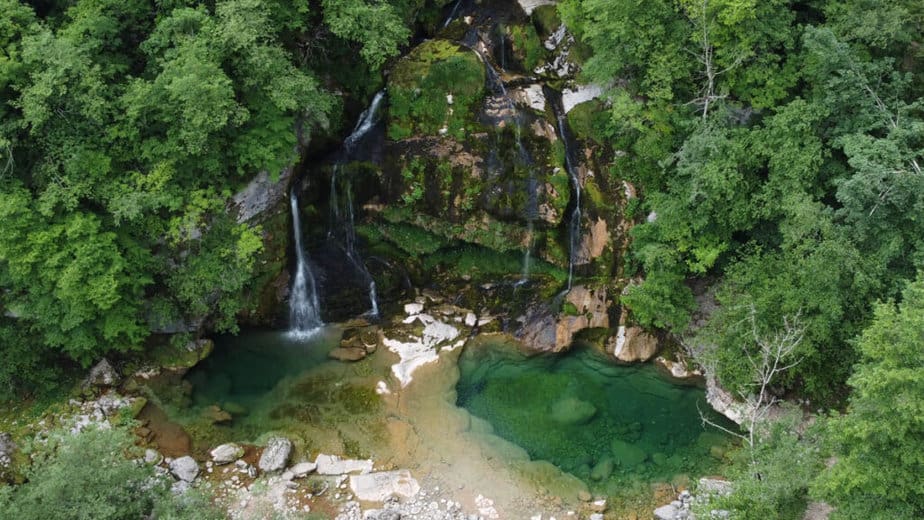
In addition to these “classic” outdoor activities, you can enjoy adrenaline experiences such as zip-lining or skydiving. In winter, you can ski at Kanin, the highest ski resort in Slovenia, which also offers excellent opportunities for ski touring. Many waterfalls in the area freeze in winter, creating exceptional conditions for ice climbing and adrenaline-filled adventures.
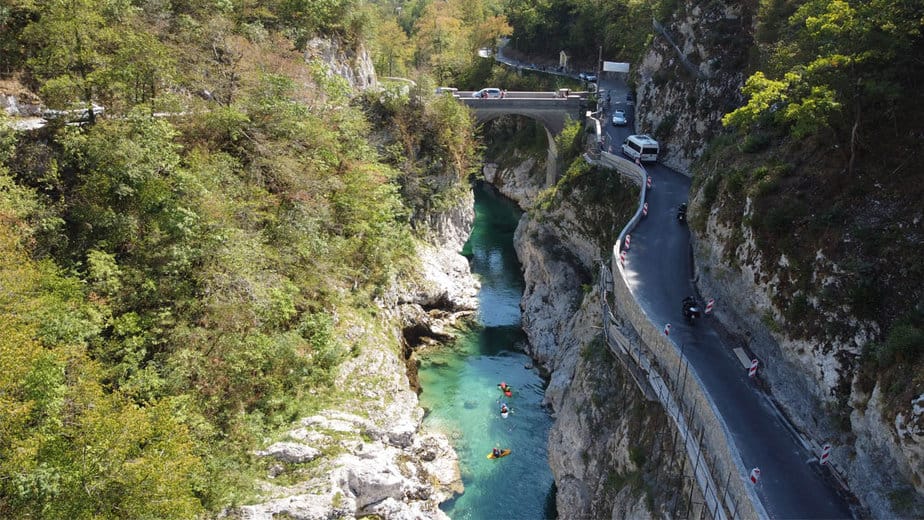
Beyond all the activities mentioned above (and surely many more), we have not even touched the main attraction of the Soča Valley yet. The Soča River and its tributaries offer unique opportunities for water-based experiences. Among the most popular guided activities are rafting, hydrospeed, kayaking, and canyoning, while independent visitors can enjoy swimming and exploring gorges, canyons, and waterfalls.
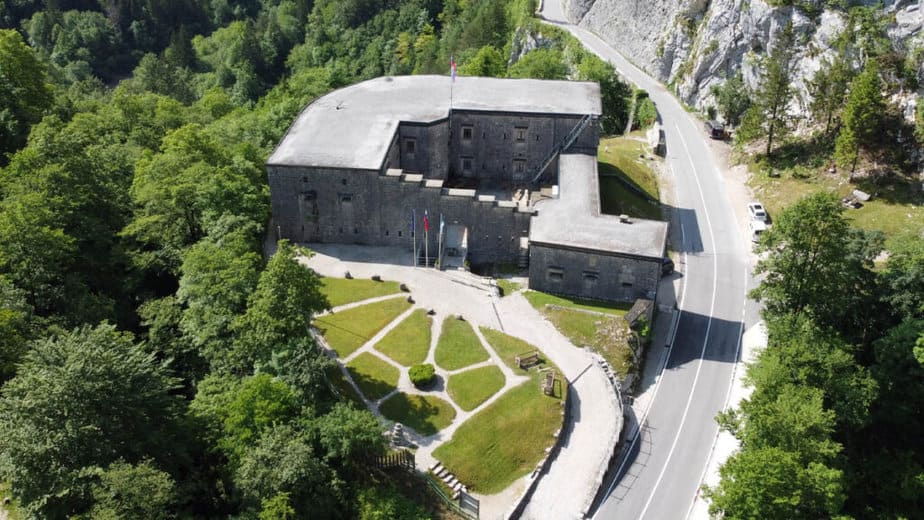
Some ideas on how to spend a beautiful and active day, weekend, or holiday in Bovec and its surroundings can be found in articles titled “Where to go in Bovec” and “Sights of Bovec and Trenta,” as well as Log pod Mangartom, the Soča Trail hike, and the Krn Lakes. These articles and their internal links will guide you to the major attractions as well as hidden corners known only to locals.
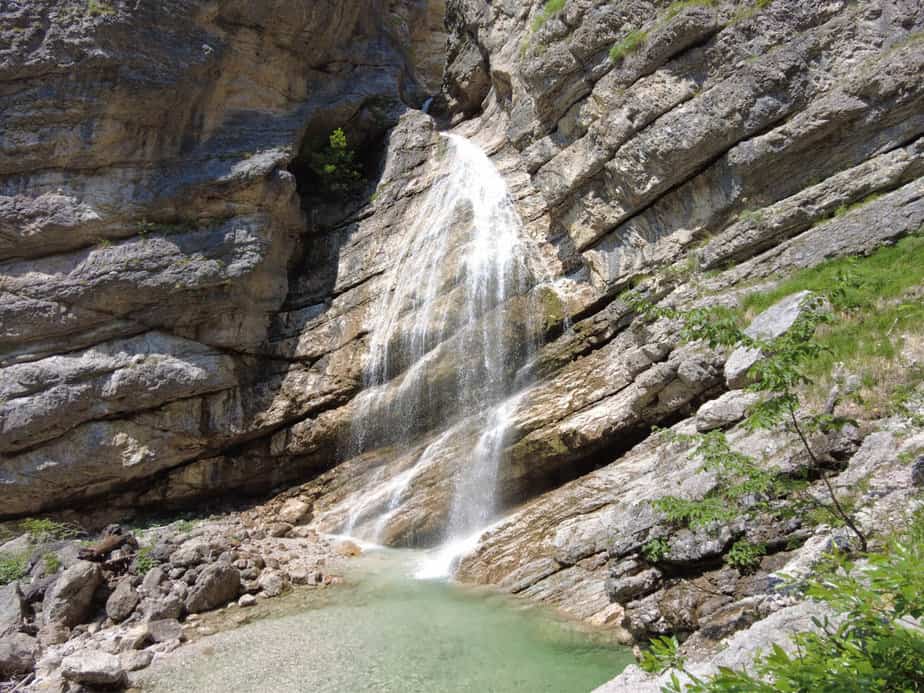
12. Kranjska Gora
I have to admit that in the past Kranjska Gora was not as appealing a hiking destination for me as, for example, Bohinj or Bovec, but in recent years that has changed. Kranjska Gora is truly a gem of Slovenia and offers visitors a wide range of different excursion possibilities.
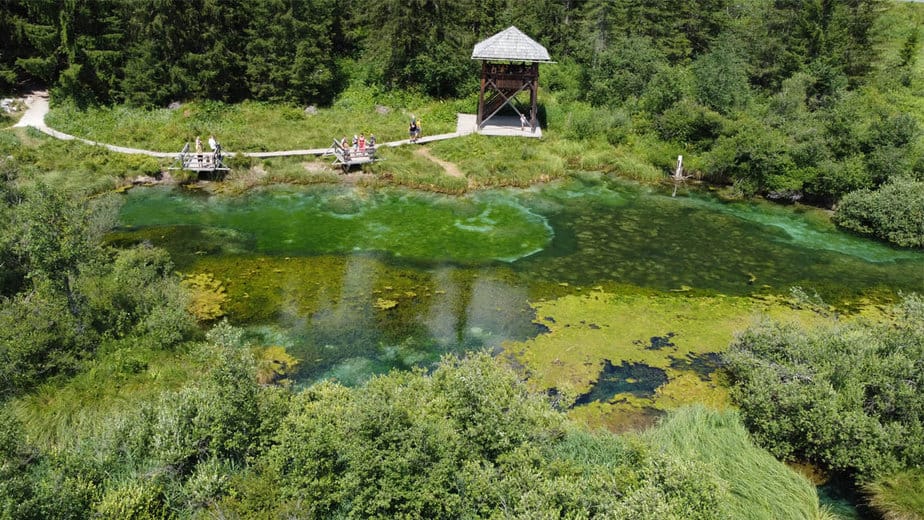
In the article where I describe ideas for family trips in Kranjska Gora, I also invite you to visit some easily accessible peaks that are suitable for active families. And if that is still not enough, Mojstrana and the Vrata Valley are not far away either.
Those of you who are more “serious” hikers will probably prefer to tackle some of the higher peaks that are truly abundant in the Kranjska Gora area. Starting in the Vrata Valley, which is an extremely popular starting point for ascents of Triglav, Škrlatica, Dolkova Špica, Stenar, and Bovški Gamsovec.
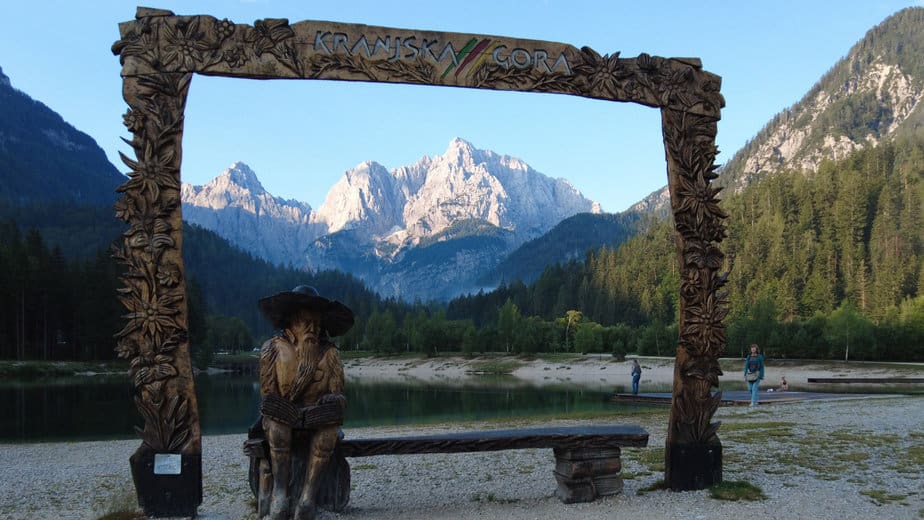
Another very popular starting point is the Vršič Pass, where you can reach Mojstrovke, Prisojnik, Razor, and Jalovec. At the foot of the Vršič ascent lies also the starting point for the very popular Špik.
And of course we must not forget Planica, which is also an excellent starting point, especially for Jalovec and the Ponce peaks.
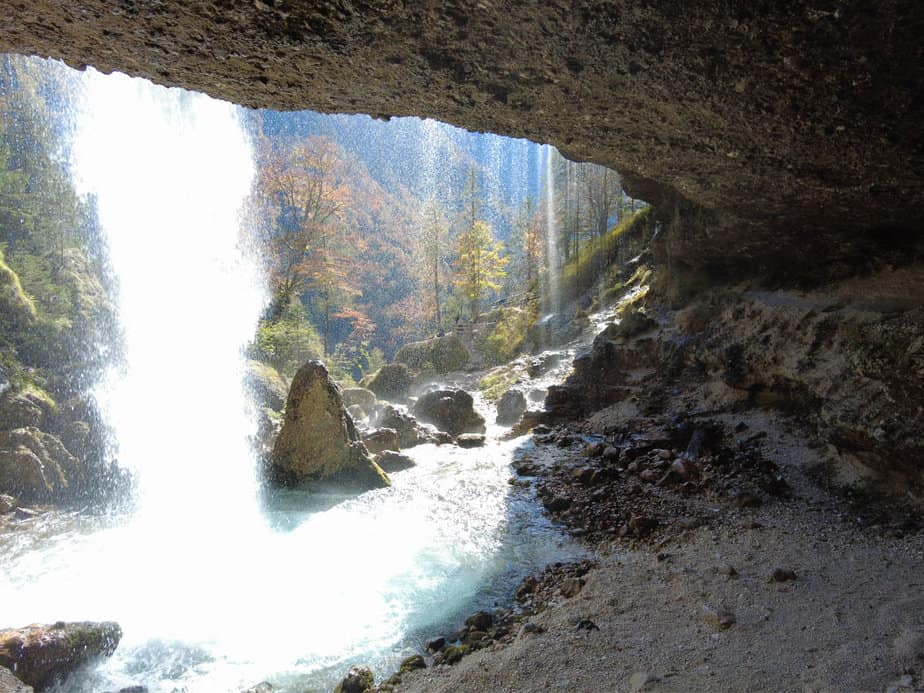
13. Bohinj
While writing this article, I find myself wondering what superlatives to use in each of the following sections. And since I have already used words like beautiful, magnificent, lovely, and exceptional in previous chapters, I will soon start repeating myself.
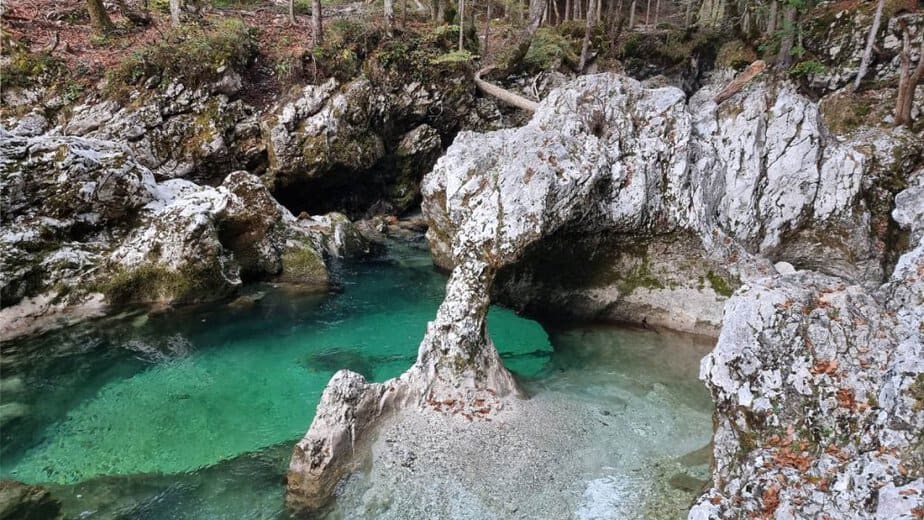
For me, Bohinj is one of the top 3 destinations in Slovenia when it comes to hiking, holidays, or simply spending time in nature. Bohinj offers crystal-clear rivers and streams, impressive waterfalls, mysterious gorges, the largest permanent lake in Slovenia, arguably the most beautiful alpine pastures, excellent starting points for some of the most popular high-mountain tours, as well as hiking, walking, cycling trails, via ferratas, and much more.
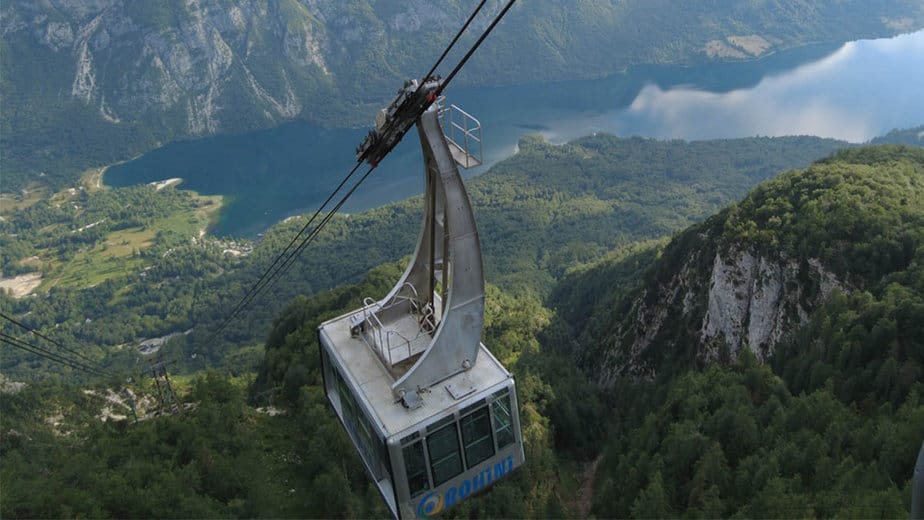
From Ukanc, you can take a cable car to a ski resort with one of the most beautiful views in Slovenia. In summer, Vogel is also an excellent starting point for high-mountain tours.
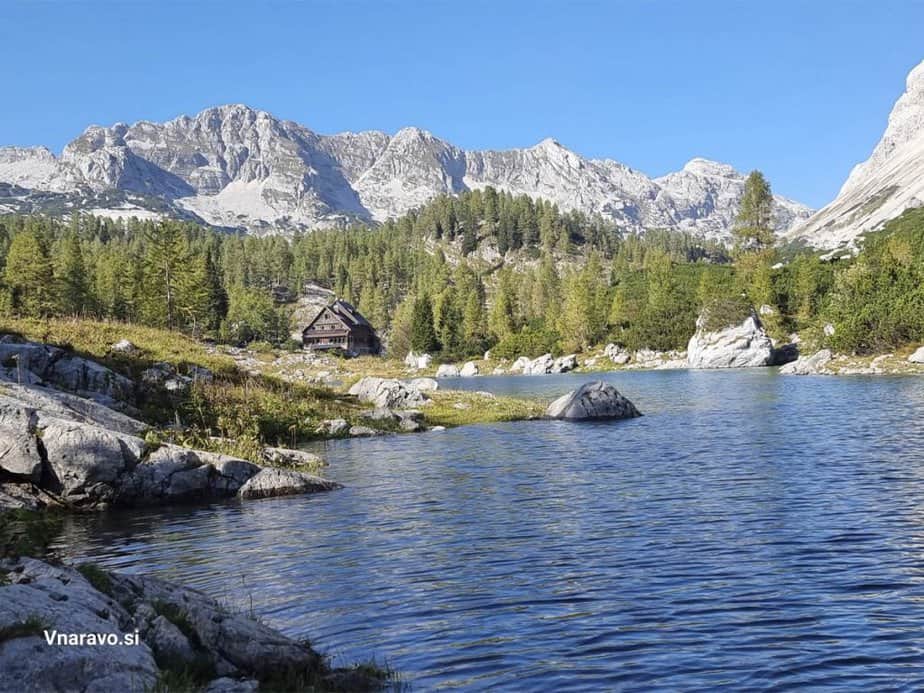
I have of course already written about Bohinj on my blog, and not just in one article. In the first one, aimed more at those who enjoy easier and less physically demanding trips, I covered the well-known attractions, but also added some lesser-known ideas.
The second article about Bohinj’s attractions takes you to eight high-mountain destinations in the area around the Sava Bohinjka Valley.
I can also invite you to one of the most beautiful excursions in our high mountains—the Triglav Lakes Valley. If that feels too far for you, then a hike to Soriška Planina and Mount Možic might be a better option.
14. Bled
Alongside Ljubljana, Bled is definitely one of the most visited places by tourists. I myself have visited Bled countless times. Around 20 years ago, I also used to hang out with girls from this area, and I somehow thought I knew Bled quite well.
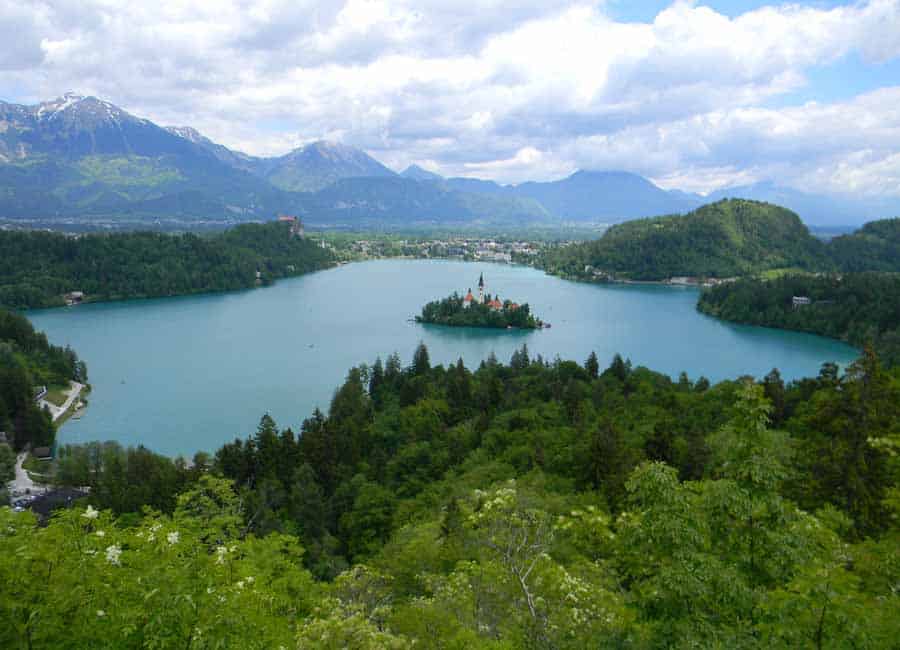
Of course, I knew the main attractions, but when it came to questions like where the Pokljuka Gorge is, or where people take all those “Instagram” photos with Lake Bled in the background… well, I didn’t know that until a few years ago.
In addition, Bled offers quite a few other very attractive excursion opportunities. I recommend reading the article about Bled to discover them.
15. Tržič
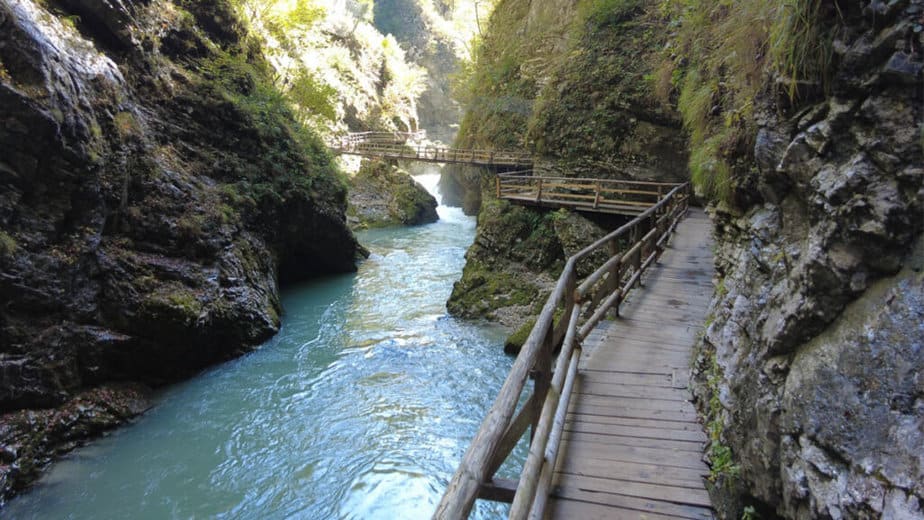
In the past, Tržič was known more for industry, especially shoemaking, than for tourism. Today, this town, “nestled” between the Kamnik–Savinja Alps and the Karawanks, is increasingly turning towards tourism and the promotion of its natural beauty, which is truly abundant.
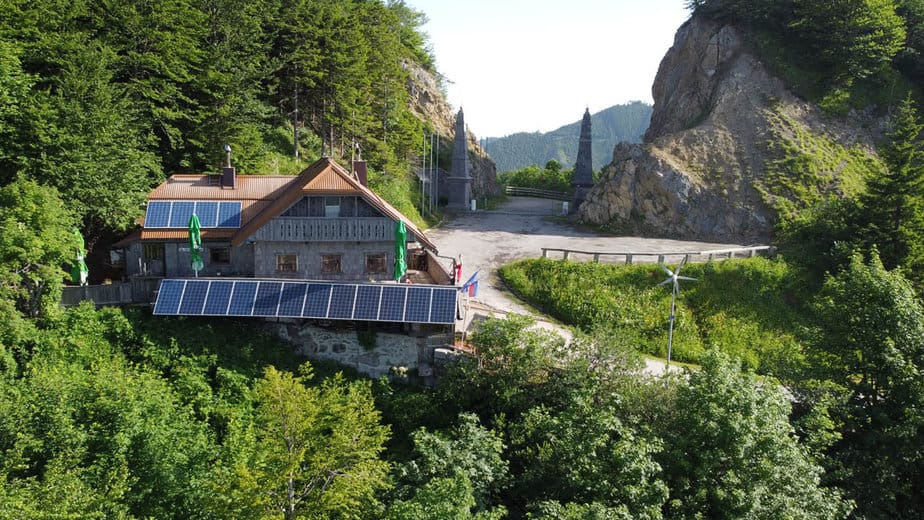
I myself used to know Tržič about 15–20 years ago more for the company Peko and its shoes than for hiking. But as times change and Peko is unfortunately gone, I now mainly associate Tržič with mountains and unspoiled nature. I have dedicated an entire blog to exploring Tržič and its surroundings.
In addition to the suggested trips from the Tržič blog, I can also invite you to some very popular ascents: Kriška Gora, Dobrča, Begunjščica, Storžič, Košuta, and Vrtača.

16. Jezersko
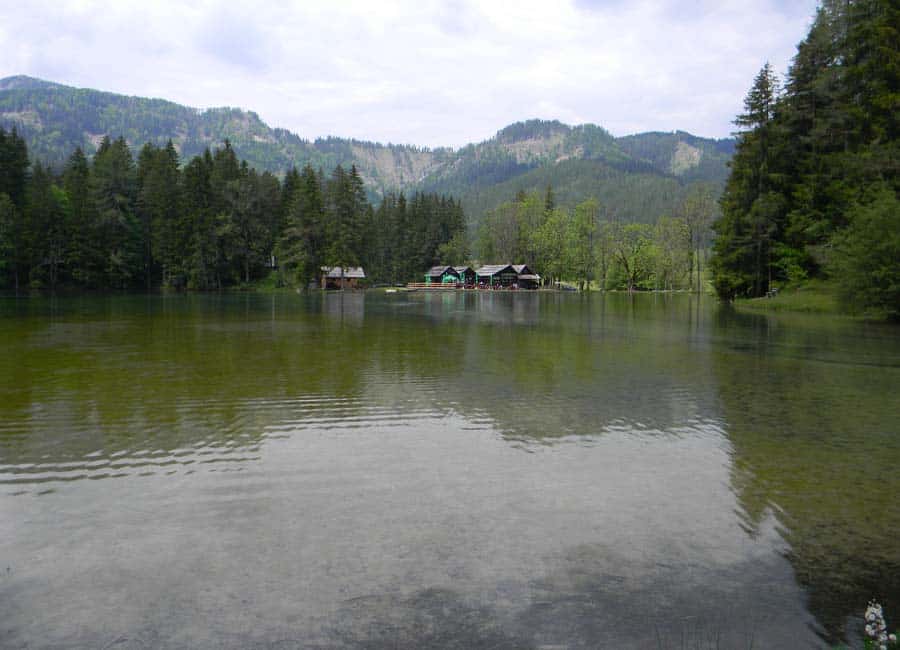
From Tržič we will move just “over the hill.” Jezersko is, like Tržič, also nestled between the Kamnik–Savinja Alps and the Karawanks, with the difference that here there are more peaks of the Kamnik–Savinja Alps and fewer of the Karawanks.

Jezersko is one of the best starting points for ascents of the highest peaks of the Kamnik–Savinja Alps. I myself do not often use Jezersko as a starting point anymore, especially after 2022, when they started charging 10€ for 500 meters of gravel road. However, I can still recommend a via ferrata hike to Češka Koča and an ascent to Jezerska Kočna.
I have collected more family-friendly trips in the Jezersko area in an article titled “Where to go in Jezersko.”
17. Kamnik
Unlike all the other suggested destinations, I have not yet written about Kamnik on my blog, but that will certainly change in the future. The Kamnik area is truly a paradise for family trips, as well as for more serious high-mountain tours. At the same time, the town of Kamnik itself also offers several cultural sights worth visiting.
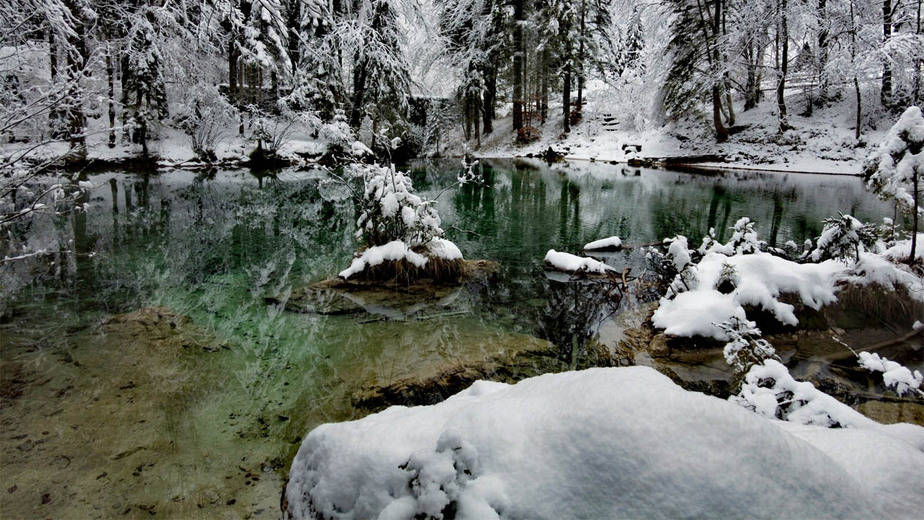
However, I do already have a number of interesting hikes prepared, which have found their place on my blog.
First, we head into the Kamniška Bistrica Valley, to its source, and to the highest waterfall in the Central Slovenia region, Orglice Waterfall.
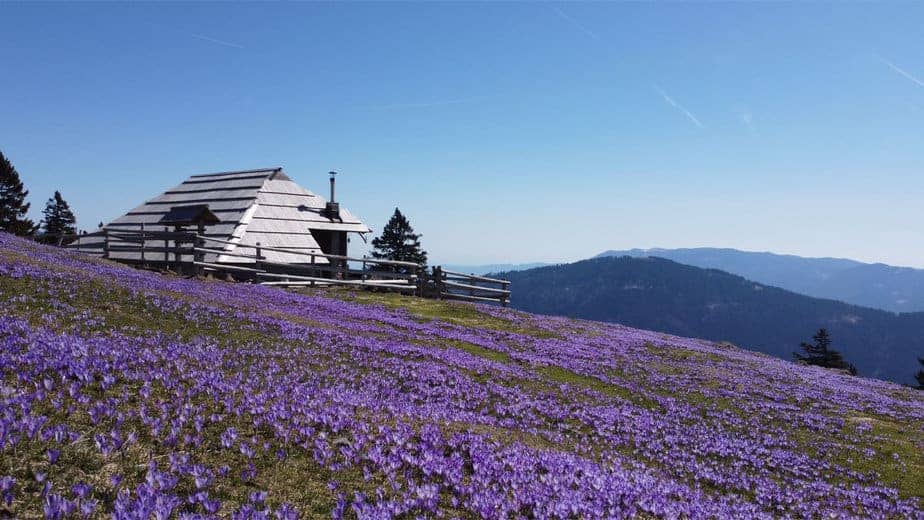
The same starting point used for visiting the source of the Kamniška Bistrica River is also the trailhead for the hike to Kamnik Saddle. The path to Kamnik Saddle is one of the most frequented trails in the Kamnik–Savinja Alps in general—probably second only to the next suggested excursion, Velika Planina.
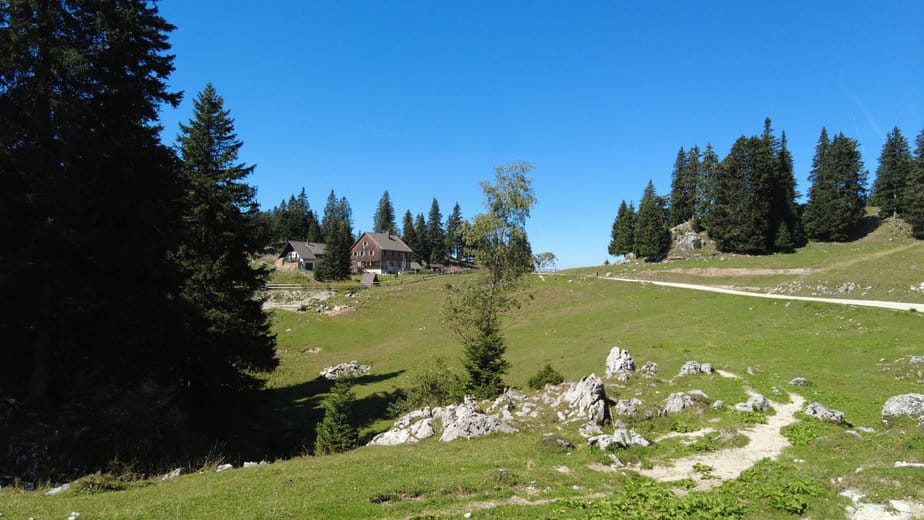
Not far from Velika Planina lies another beautiful plateau that is much less visited. Menina Planina is considered part of the Savinja region, and most visitors reach the hut on Menina Planina from the Dreta Valley, although there are also many route options from the Tuhinj Valley.
18. Ljubljana
Finally, we head to the capital city. Ljubljana is a true treasure trove of ideas for trips and sightseeing, especially cultural attractions, but there are also several hills and forested areas in the city that are perfect for relaxed walks.

I live relatively close to Ljubljana, so I do not often visit it on sunny and pleasant days, as I prefer exploring other parts of Slovenia. However, on days when the weather is not ideal, or when I feel like having a more relaxed day, the museums and galleries—of which Ljubljana has plenty—are a great option for spending quality free time.
In the surroundings of Ljubljana, you can also find many ideas for more or less active leisure time. If you are interested, check out the articles titled Hills around Ljubljana, Swimming spots around Ljubljana, Hiking trips around Ljubljana, and Waterfalls around Ljubljana.
Conclusion
The destinations presented are perfect for those who enjoy movement and nature. The ideas for trips are very diverse, and not every suggestion is suitable for everyone, but with a bit of effort you will surely find the right one for yourself and your family.
I wish you a safe journey—and go into nature!

